Spot UV coating has become an important finishing process for commercial printing, packaging, labels, luxury boxes, brochures, and promotional materials. By applying UV coating only to selected areas of a printed sheet, manufacturers can create contrast, gloss, texture, and visual highlights without coating the entire surface.
For printers and packaging manufacturers, choosing the right spot UV coating machine involves more than comparing maximum speed. Coating method, substrate compatibility, registration accuracy, curing technology, automation, production volume, coating thickness, and operating costs all affect the machine’s real-world performance.
This guide explains how spot UV coating machines work, the main machine types, applications, key specifications, operating costs, and the factors buyers should consider before investing.
What Is a Spot UV Coating Machine?
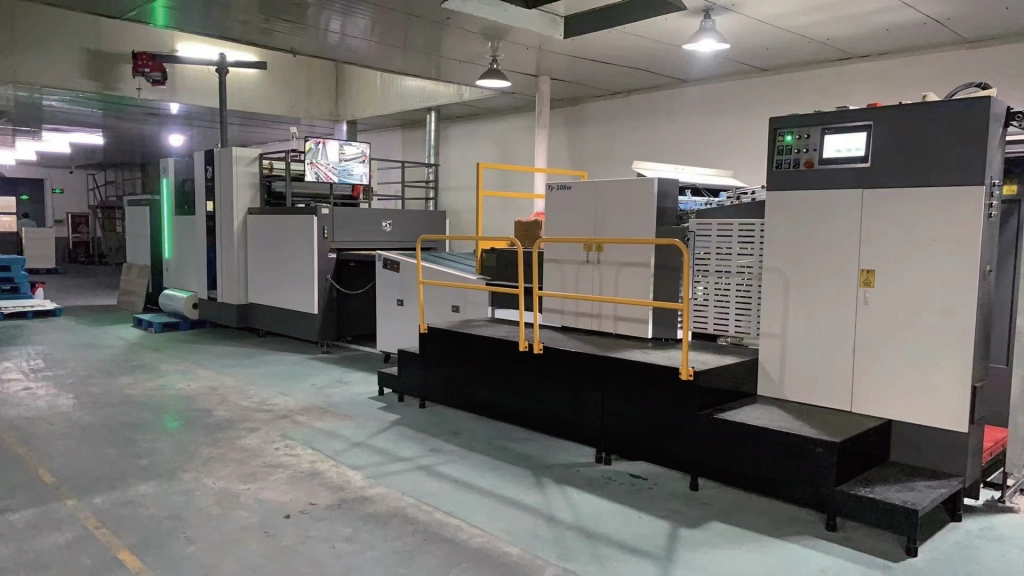
A spot UV coating machine is a post-press finishing machine that applies UV-curable varnish to specific areas of a printed sheet and then instantly cures the coating using ultraviolet light.
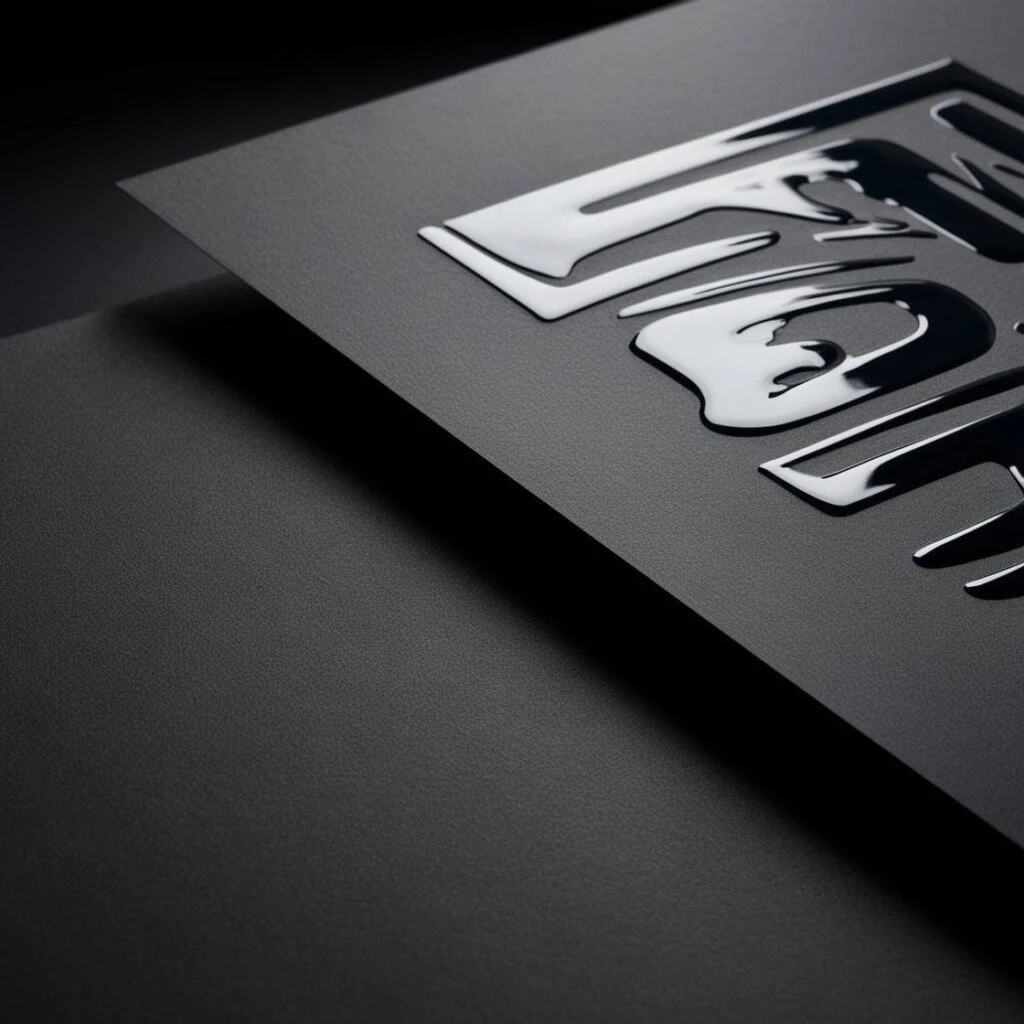
Unlike full UV coating, which covers the entire sheet, spot UV selectively coats designated areas. The result is a visual and tactile contrast between coated and uncoated surfaces.
For example, a packaging manufacturer may apply high-gloss UV coating only to:
- A brand logo
- Product names
- Images
- Decorative patterns
- Text
- Embossed areas
- Background graphics
- Premium design elements
This selective finishing technique can make printed products look more luxurious and help important design elements stand out.
Spot UV vs. Full UV Coating
| Feature | Spot UV | Full UV |
|---|---|---|
| Coating area | Selected areas | Entire sheet |
| Visual effect | Contrast and highlights | Uniform gloss |
| Coating consumption | Generally lower | Generally higher |
| Design flexibility | Very high | Moderate |
| Typical applications | Luxury packaging, covers, labels | Commercial printing, packaging |
| Premium effect | Excellent | Good |
Spot UV is particularly valuable when a printer wants to combine matte and gloss finishes on the same sheet.
How Does a Spot UV Coating Machine Work?
Although machine configurations differ, the basic production process follows several stages.
Sheet Feeding
Printed sheets are loaded into the feeder. An automatic feeding system separates and transports sheets into the coating section.
Consistent sheet feeding is critical because registration accuracy depends on stable sheet positioning throughout the production process.
Sheet Alignment
The sheet is aligned before entering the coating unit.
Depending on the machine design, side-lay, front-lay, servo control, vacuum feeding, and other registration technologies may be used to maintain accurate positioning.
UV Varnish Application
The machine applies UV varnish to the predetermined areas of the printed sheet.
Different coating technologies can be used depending on the machine configuration and application, including:
- Screen-based spot UV
- Flexographic coating
- Offset-based coating
- Digital inkjet UV coating
Each technology has different advantages in terms of speed, coating thickness, variable data capability, setup requirements, and application range.
UV Curing
After application, the sheet passes through a UV curing system.
UV energy instantly polymerizes the UV varnish, producing a dry, glossy surface that can immediately proceed to subsequent finishing operations.
Delivery
The finished sheets are collected in the delivery section.
A well-designed delivery system should maintain stack quality while supporting continuous production.
What Are the Main Types of Spot UV Coating Machines?
Not all spot UV machines use the same technology. Understanding the differences is essential when selecting equipment.
Screen Spot UV Coating Machines
Screen coating systems use a screen to transfer UV varnish to selected areas.
Advantages
- Relatively thick coating
- Strong tactile effect
- Excellent gloss
- Suitable for premium packaging
- Good for special effects
Screen spot UV is commonly used when manufacturers want a highly visible or textured finish.
Flexographic Spot UV Coating Machines
Flexographic coating systems use a plate and anilox-based coating mechanism to transfer varnish.
They can provide high production efficiency and are suitable for industrial printing environments.
Typical applications include:
- Folding cartons
- Commercial print
- Packaging materials
- Promotional products
Digital Spot UV Coating Machines
Digital UV coating systems can apply varnish without traditional plates or screens.
They are particularly attractive for:
- Short runs
- Variable data
- Personalized packaging
- On-demand production
- Rapid job changes
The main advantage is flexibility, although production economics and maximum throughput can differ considerably from conventional systems.
Hybrid UV Finishing Systems
Some advanced finishing lines combine multiple coating or printing technologies.
These systems can integrate processes such as:
Printing → Spot UV → Full UV → Foiling → Embossing → Die Cutting
Such configurations are typically aimed at high-end commercial printing and packaging production.
What Materials Can Be Processed?
A major consideration when buying a spot UV coating machine is substrate compatibility.
Depending on machine configuration, common substrates include:
- Coated paper
- Art paper
- Cardstock
- Folding carton board
- Packaging paper
- Synthetic paper
- Labels
- Laminated sheets
- Specialty papers
Before purchasing, buyers should verify the machine’s actual substrate range rather than relying solely on a general material description.
Important variables include:
- Substrate thickness
- Sheet size
- Surface energy
- Coating compatibility
- Ink type
- Lamination type
- Sheet flatness
Applications of Spot UV Coating Machines
Spot UV is widely used where appearance and perceived product value are important.
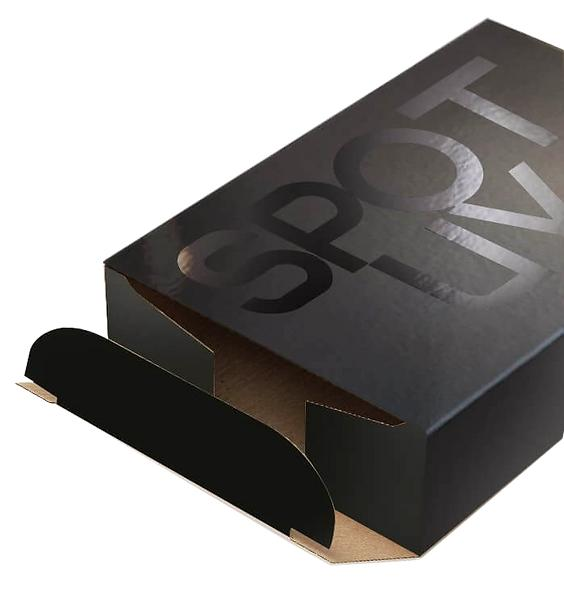
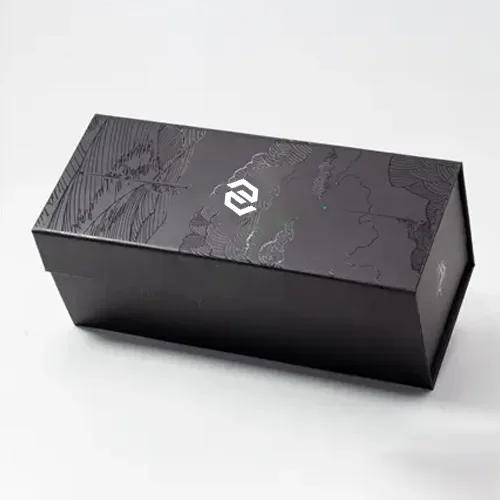
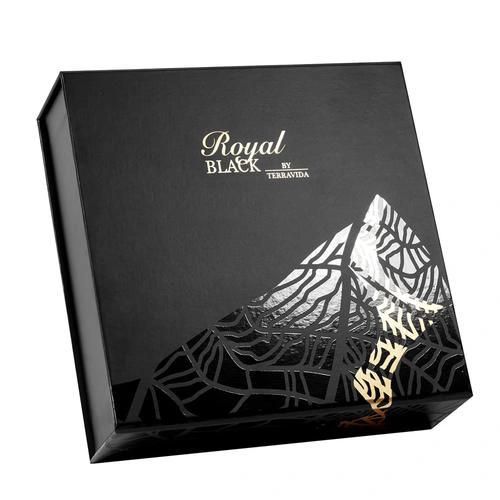
Luxury Packaging
Spot UV is frequently used on premium packaging for:
- Cosmetics
- Perfume
- Wine and spirits packaging
- Electronics
- Jewelry
- High-end consumer goods
A matte background combined with a high-gloss logo can create a strong premium effect. Many of these cartons also require a viewing window, which is added by a window patching machine before the final finishing steps.
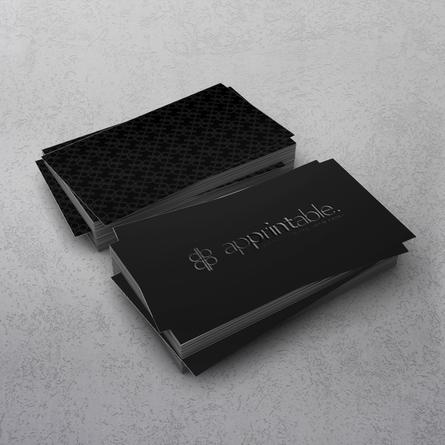
Business Cards
Spot UV can highlight:
- Company logos
- Names
- Contact information
- Graphic elements
This makes business cards more visually distinctive.
Brochures and Catalogs
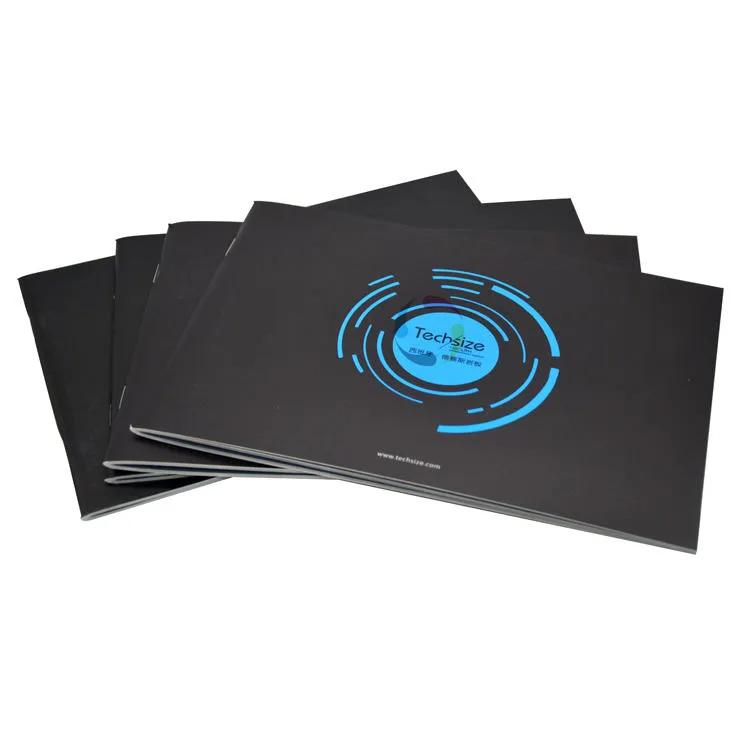
Selective UV coating can emphasize product photographs, headlines, and graphic elements.
Book Covers
Publishers can use spot UV to create contrast between text, images, and the background.
Folding Cartons
Packaging manufacturers can use spot UV to enhance branding and improve shelf appeal — before the cartons are folded and glued on a folder gluer.
Labels
Spot UV can create premium visual effects on product labels while emphasizing selected design elements.
Spot UV Coating Machine vs. Traditional UV Coating
The key difference is selectivity.
Traditional full UV coating covers the entire sheet, whereas spot UV selectively coats specific areas.
For example:
Matte background + glossy logo + glossy product image
This combination creates visual contrast without requiring the entire sheet to be glossy.
As a result, spot UV is particularly suitable for premium packaging and marketing materials where graphic differentiation is important.
What Are the Benefits of Spot UV Coating?
Premium Appearance
Glossy UV coating can significantly enhance visual contrast and perceived print quality.
Strong Brand Emphasis
Companies can highlight logos, product names, and important visual elements.
High Gloss
UV varnish produces a strong gloss level compared with many conventional coating methods.
Fast Curing
UV coating can be cured almost immediately after application, allowing rapid downstream processing.
Design Flexibility
Printers can combine coated and uncoated areas within the same sheet.
Potentially Lower Varnish Consumption
Because only selected areas are coated, spot UV can use less varnish than full-sheet coating for appropriate designs.
Premium Packaging Differentiation
Spot UV can help packaging manufacturers create products that stand out on retail shelves.
What Is the Difference Between Spot UV and Aqueous Coating?
Aqueous coating and UV coating serve different purposes.
| Feature | Spot UV | Aqueous Coating |
|---|---|---|
| Application | Selective | Usually full surface |
| Curing | UV light | Evaporation/absorption |
| Gloss | High | Low to high |
| Special effects | Excellent | Limited |
| Premium packaging | Excellent | Good |
| Drying speed | Very fast | Relatively fast |
| Tactile effects | Possible | Limited |
Aqueous coating is often used as a protective or general finishing layer, while spot UV is frequently selected for decorative and premium effects.
What Is the Difference Between Spot UV and Lamination?
Lamination applies a film to the substrate, while UV coating applies a liquid varnish.
A typical premium packaging process may combine both:
Printing → Matte Lamination → Spot UV → Die Cutting
The matte film creates a low-gloss background, while spot UV produces selective glossy areas.
This combination is especially effective for luxury packaging.
How to Choose a Spot UV Coating Machine
Selecting the right machine requires evaluating the complete production requirement rather than focusing on a single specification.
Determine Your Production Volume
Estimate:
- Sheets per hour
- Monthly production
- Average job size
- Number of shifts
- Peak production requirements
A machine designed for short-run commercial printing may not be suitable for a high-volume packaging factory.
Check Maximum Sheet Size
Confirm both:
- Maximum sheet size
- Minimum sheet size
The machine should accommodate your current production and potential future products.
Check Substrate Thickness
Make sure the machine supports your actual board and paper range.
This is particularly important for folding carton manufacturers.
Evaluate Registration Accuracy
Registration accuracy is one of the most important technical specifications.
Poor registration can cause UV coating to overlap printed graphics incorrectly.
For high-end packaging, consistent registration is especially important.
Evaluate Coating Thickness
Different applications require different coating effects.
A thin UV layer may provide a subtle gloss, while a thicker coating can produce a stronger visual or tactile effect.
Ask the supplier about:
- Minimum coating thickness
- Maximum coating thickness
- Uniformity
- Coating weight
- Varnish compatibility
Consider Changeover Time
Packaging manufacturers frequently switch between jobs.
A machine with fast setup and automatic parameter adjustment can reduce:
- Setup time
- Waste
- Labor requirements
- Production interruptions
Examine UV Curing Technology
UV curing affects both production speed and operating cost.
Important factors include:
- UV lamp type
- UV power
- Cooling system
- Energy consumption
- Lamp lifespan
- Curing consistency
Evaluate Automation
Modern machines can incorporate:
- Servo drives
- PLC control
- Touchscreen interfaces
- Automatic registration
- Automatic feeding
- Automatic parameter adjustment
- Production monitoring
Higher automation can reduce dependence on operator experience.
How Much Does a Spot UV Coating Machine Cost?
The price of a spot UV coating machine can vary substantially.
The final investment depends on:
- Machine type
- Maximum sheet size
- Production speed
- Coating technology
- Registration system
- UV curing configuration
- Automation level
- Brand
- Optional equipment
- Installation and commissioning
Instead of comparing purchase price alone, buyers should calculate the total cost of ownership (TCO).
A basic TCO calculation should include:
Machine Price + Installation + UV Varnish + Electricity + Consumables + Maintenance + Labor + Downtime
A more expensive machine may have a lower cost per sheet if it delivers higher productivity and lower labor or energy consumption. To get an accurate price for your sheet size and volume, request a quote — FENGCHI engineers will recommend the most cost-effective model for your factory.
Spot UV Coating Machine Operating Cost
Operating costs typically come from several areas.
UV Varnish
Varnish consumption depends on:
- Coated area
- Coating thickness
- Varnish type
- Production volume
Electricity
UV curing systems can be a significant component of energy consumption.
Labor
Automation can reduce the number of operators required.
Maintenance
Regular maintenance may include:
- Cleaning coating components
- Replacing wear parts
- UV lamp maintenance
- Pump maintenance
- Conveyor maintenance
- Registration-system maintenance
Waste
Poor registration, feeding problems, or coating defects can increase material waste.
Therefore, the lowest machine purchase price does not necessarily mean the lowest production cost.
Common Spot UV Coating Problems and Solutions
Poor UV Registration
Possible causes:
- Inconsistent sheet feeding
- Poor alignment
- Paper deformation
- Mechanical adjustment problems
Solution: Check the feeding and registration system and verify substrate conditions.
Incomplete UV Curing
Possible causes:
- Insufficient UV energy
- Excessive coating thickness
- Incorrect varnish
- Lamp degradation
Solution: Verify UV intensity, coating parameters, and varnish compatibility.
Uneven Coating
Possible causes:
- Incorrect coating pressure
- Contaminated components
- Uneven substrate
- Improper varnish viscosity
Solution: Clean the coating system and optimize operating parameters.
UV Coating Peeling
This can occur because of poor adhesion between the varnish and substrate.
Possible factors include:
- Substrate surface characteristics
- Ink compatibility
- Lamination film
- Varnish formulation
- Surface contamination
Always conduct a production test before approving a new substrate or varnish.
Spot UV Coating Machine Maintenance
Regular maintenance is essential for stable production.
A basic maintenance program should include:
Daily
- Clean coating components
- Check UV curing performance
- Inspect feeding system
- Check varnish circulation
- Remove paper dust
Weekly
- Inspect rollers and belts
- Check registration components
- Inspect UV lamp systems
- Clean critical machine areas
Periodically
- Inspect electrical systems
- Check bearings and drive components
- Replace consumable parts
- Verify UV intensity
- Calibrate registration systems
Following the manufacturer’s maintenance schedule can help reduce unexpected downtime.
Who Should Invest in a Spot UV Coating Machine?
A spot UV coating machine may be a strong investment for companies producing significant volumes of:
- Luxury packaging
- Folding cartons
- Commercial print
- Brochures
- Catalogs
- Business cards
- Book covers
- Labels
- Promotional materials
- Premium paper products
For companies outsourcing spot UV finishing regularly, bringing the process in-house can potentially provide greater control over lead times, quality, production scheduling, and finishing costs.
However, the investment should be justified by production volume and customer demand.
How Spot UV Fits Into a Modern Post-Press Production Line
Spot UV is rarely an isolated process.
A modern packaging workflow may look like:
Printing → Lamination → Spot UV → Embossing → Die Cutting → Folding & Gluing → Inspection → Packing
For commercial printing:
Printing → Spot UV → Cutting → Binding → Finished Product
The optimal workflow depends on the substrate, coating type, printing technology, and final product.
Future Trends in Spot UV Coating
The spot UV market is moving toward greater automation and production flexibility.
Several trends are particularly important.
Higher Automation
Automatic setup, servo control, and intelligent monitoring are reducing operator intervention.
Faster Production
Manufacturers are developing higher-speed finishing systems to support increasingly demanding packaging production schedules.
Shorter Job Runs
Digital printing and personalized packaging are increasing demand for flexible finishing equipment.
Sustainable Production
Printers are paying greater attention to:
- Energy efficiency
- Varnish consumption
- Waste reduction
- UV LED curing
- Low-VOC or environmentally preferable coating technologies
Integration
Post-press manufacturers are increasingly connecting coating equipment with other finishing processes to create more automated production lines.
Frequently Asked Questions (FAQ)
What is a spot UV coater used for?
A spot UV coater applies a clear, high-gloss UV varnish to selected areas of a printed sheet to create contrast and a tactile premium effect. It is used on packaging, business cards, book covers, labels, and other print products.
What is the difference between spot UV and full UV?
Full UV coats the entire sheet for a uniform finish, while spot UV coats only chosen areas to create gloss contrast against the background. They are often combined for premium results.
Is spot UV coating durable?
Yes. Once cured, UV varnish is hard, scratch-resistant, and resistant to scuffing and yellowing, making it suitable for packaging that must survive handling and transport.
Can spot UV be applied over lamination?
Yes. In fact, spot UV is most striking when applied over a matte or soft-touch laminate, which maximizes the contrast between the matte background and the high-gloss coated areas.
What is the difference between screen and digital spot UV?
Screen-based spot UV uses a screen frame to apply a thick, highly tactile coating and is ideal for repeat jobs. Digital (inkjet) spot UV needs no screen, enabling short runs and variable data, but with a lighter coating build and a higher machine cost.
How fast is a spot UV coater?
Speed depends on the machine and configuration. Fully automatic screen-type spot UV coaters can process thousands of sheets per hour, while semi-automatic units are slower and depend on operator feeding.
How much does a spot UV coating machine cost?
Costs vary widely by automation level, sheet size, and method. Semi-automatic screen-type machines are the most affordable; fully automatic lines cost more; digital inkjet spot UV coaters are typically the highest investment.
Which industries use spot UV coating?
Cosmetics and skincare, beverages (wine and spirits), luxury goods, pharmaceuticals, publishing, and high-end retail all use spot UV to give packaging and print a premium, tactile finish.
Conclusion: Choosing the Right Spot UV Coating Machine
A spot UV coating machine is more than a finishing machine—it is a production tool for creating higher-value printed products and differentiated packaging.
The best machine depends on your specific requirements:
Production Volume + Substrate + Sheet Size + Coating Effect + Registration Accuracy + Automation + Operating Cost = The Right Machine
For packaging manufacturers and commercial printers, the most important step is to evaluate the complete production process rather than comparing maximum speed alone.
If you are considering purchasing a spot UV coating machine, request samples using your actual materials and artwork, calculate your expected cost per sheet, evaluate the supplier’s technical support, and compare the machine’s long-term productivity and reliability.
The right spot UV coating solution can help printers increase finishing capabilities, produce premium packaging, and create new revenue opportunities.
Ready to upgrade your finishing line? Explore FENGCHI’s automatic spot UV coaters and see how the TY Series and Focus Series can boost your premium packaging output — or contact our sales team for a tailored recommendation.