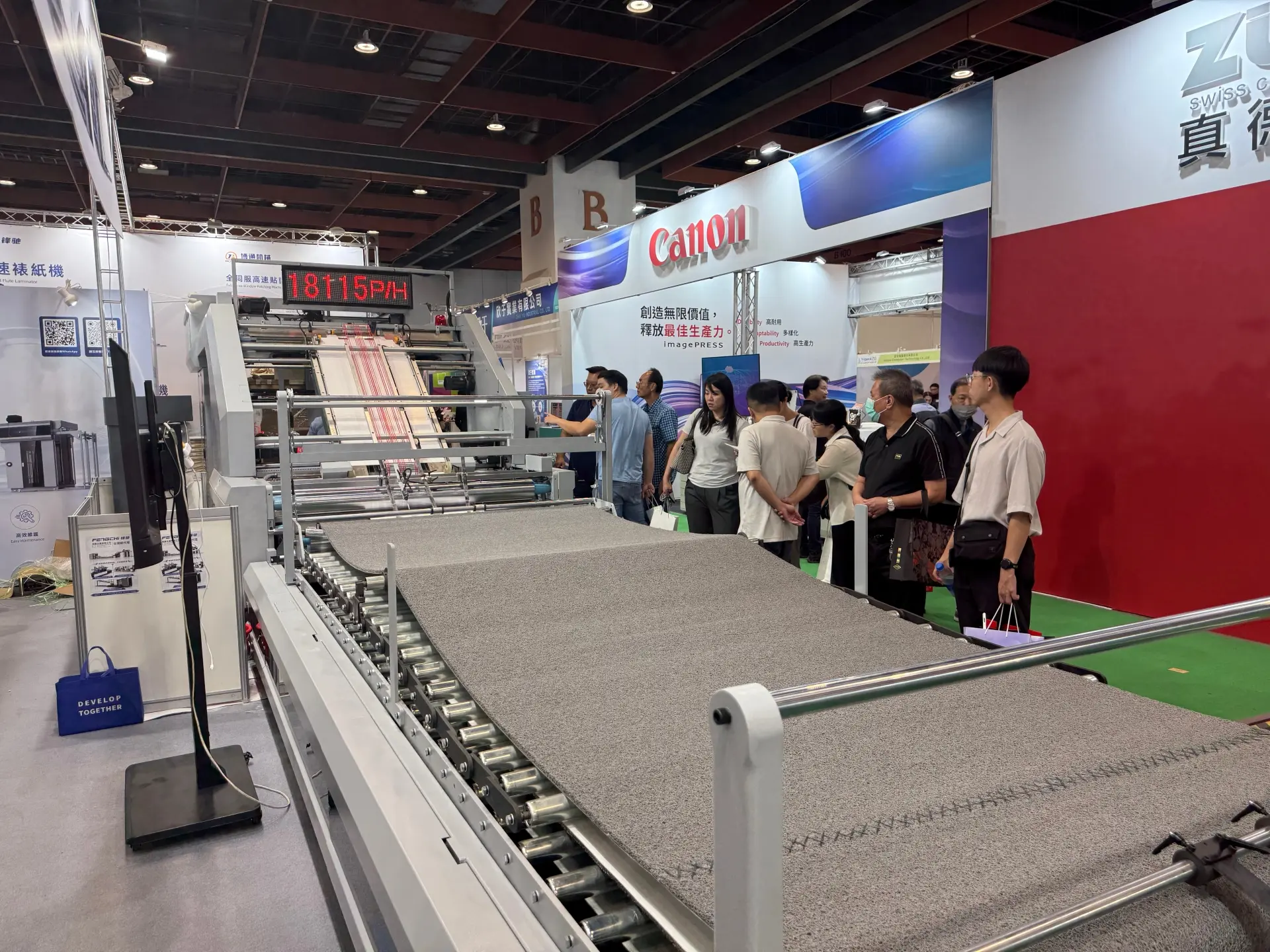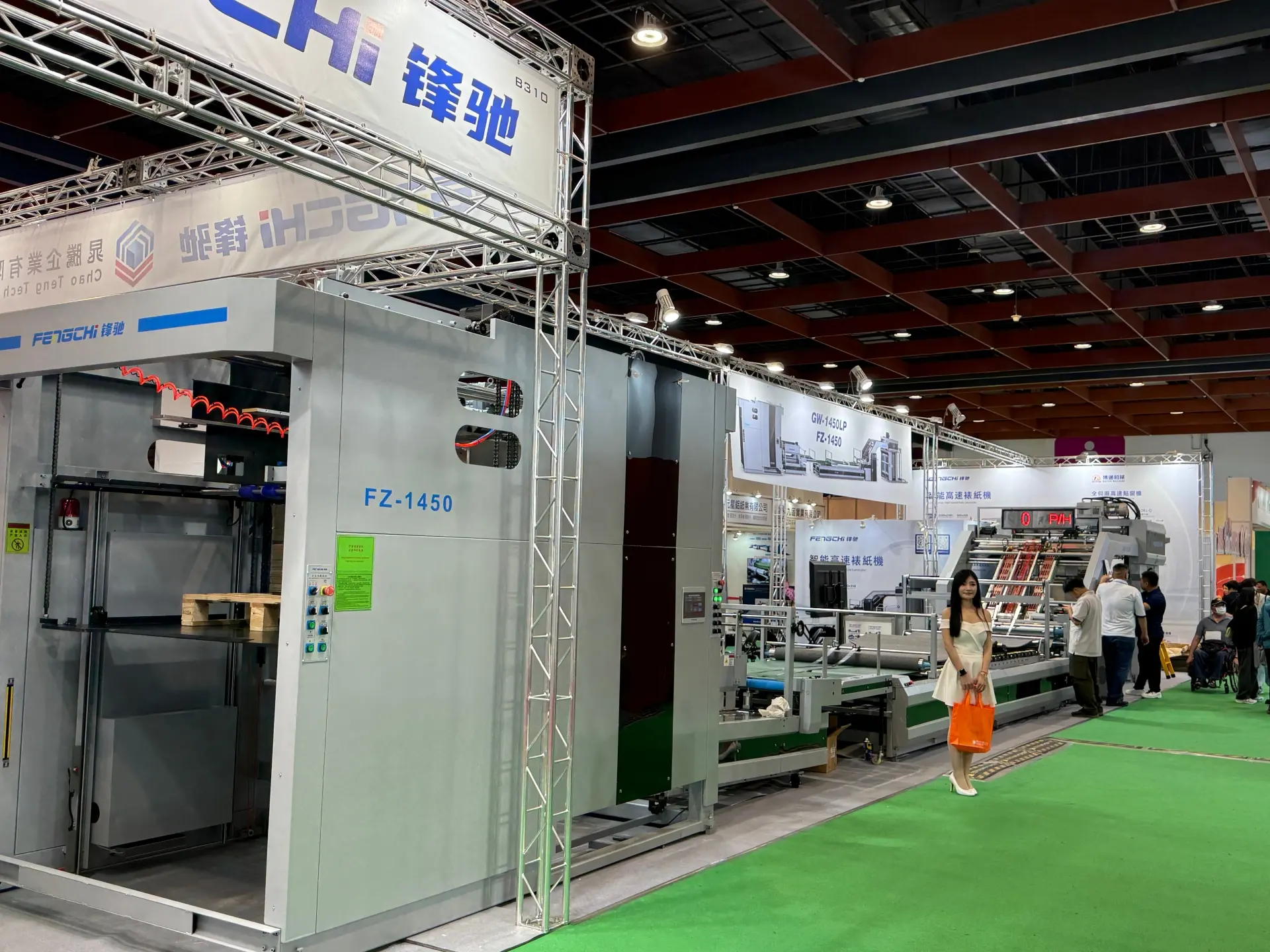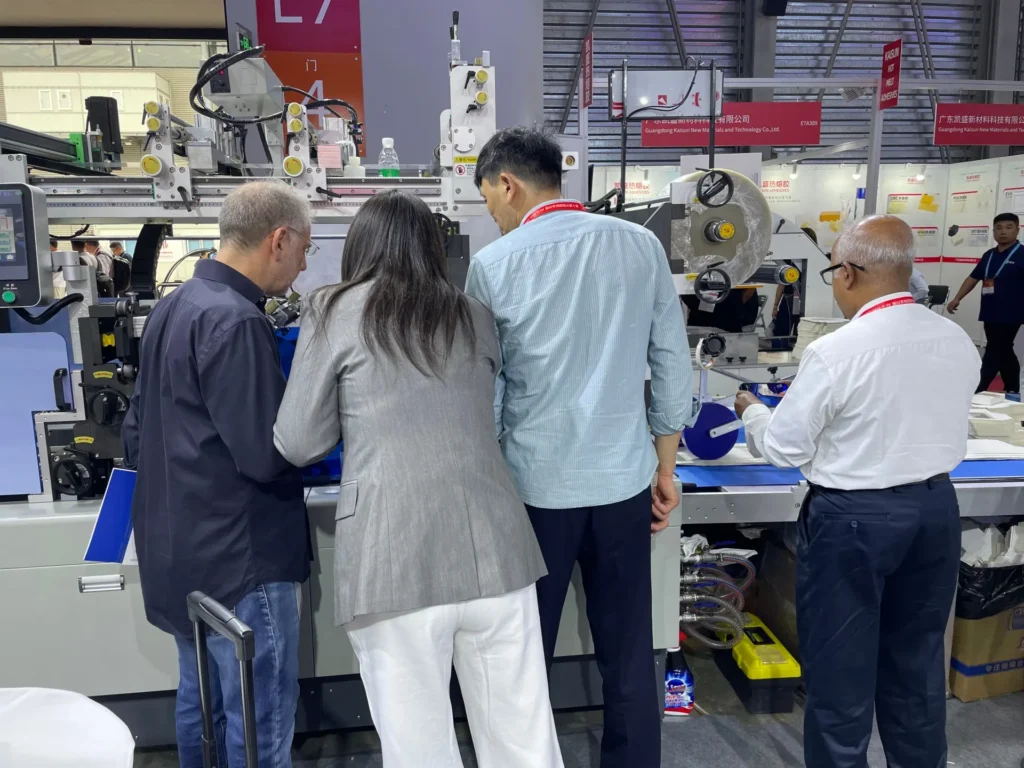
Choosing the right window patching machine is an important investment decision for folding carton manufacturers and paper packaging factories. With multiple models available, it can be difficult to determine which machine offers the right balance of registration accuracy, production speed, and operational flexibility.
The ONEZIM window patching machine range includes three models designed to meet different production requirements: the Model Q Series for high-precision alignment, the Model P Series for maximum flat-application productivity, and the Model Y Series for versatile production across different order types.
Many packaging business owners initially feel overwhelmed by these options. The good news is that choosing the right machine becomes much easier when you understand your production priorities.
In this guide, we compare the three ONEZIM window patching machines to help you select the most suitable solution for your factory without paying for capabilities you do not need.
Model Q Series: Dedicated Alignment Window Patching Machine
Best for: High-end gift boxes and precision-critical packaging
The ONEZIM Model Q Series Dedicated Alignment Window Patching Machine is designed for packaging manufacturers that prioritize precise window positioning and consistent registration.
For high-end gift boxes and premium folding cartons, even a small positioning deviation can affect the finished product’s appearance. The Model Q Series is built specifically for these demanding applications, where accurate alignment is more important than maximum production speed.
Key advantages:
- Precision-focused design: Suitable for packaging jobs that demand accurate window positioning and registration.
- Specialized production: Ideal for high-end gift boxes and premium folding carton applications.
- Quality-oriented operation: Helps manufacturers prioritize finished-product consistency on demanding jobs.
Production speed: Up to 9,000 sheets per hour.
The Model Q Series is a strong choice for factories producing premium packaging with strict alignment requirements. However, its maximum rated speed is lower than that of the Model P and Model Y in flat-application mode.
If your primary goal is maximizing output on high-volume, standard flat-window jobs, another model may offer better productivity.
Choose the Model Q Series if: Your customers demand high-precision window alignment, and product quality takes priority over maximum hourly output.
Model P Series: High-Speed Flat Window Patching Machine
Best for: High-volume production and maximum flat-application productivity
If production capacity is your primary concern, the ONEZIM Model P Series High-Speed Flat Window Patching Machine deserves serious consideration.
Designed for high-volume packaging operations, the Model P Series can reach a maximum speed of 36,000 sheets per hour under suitable production conditions. This makes it an attractive solution for manufacturers handling large quantities of folding cartons with standard flat-window applications.
With a streamlined production process, a factory operating with two workers may be able to process up to 300,000 sheets in a day, depending on job specifications, running time, setup requirements, and production conditions.
Key advantages:
- High-speed production: Maximum rated speed of 36,000 sheets per hour.
- Labor productivity: Supports high-volume output with a streamlined operating workflow.
- Focused functionality: Designed for flat window application, making it suitable for factories that prioritize throughput over multi-process flexibility.
- Production efficiency: Helps manufacturers improve output on suitable high-volume jobs.
The main limitation is that the Model P Series is designed for flat application and does not provide registration functionality. It is therefore not the right choice when a job requires precise alignment between a window film and a printed or die-cut design.
Choose the Model P Series if: Your factory handles large volumes of standard flat-window cartons and your main objective is maximizing productivity.
Model Y Series: Integrated Registration and Flat Window Patching Machine
Best for: Packaging factories with diverse products and changing order requirements
The ONEZIM Model Y Series Integrated Registration and Flat Window Patching Machine combines high-speed flat application with registration functionality in one machine.
For manufacturers handling a wide variety of packaging orders, this flexibility can be more valuable than optimizing for a single production task. Instead of selecting a machine exclusively for speed or specialized alignment, the Model Y Series allows factories to handle different job requirements with one integrated solution.
Key advantages:
- Dual operating capabilities: Supports both flat window application and registration-based applications.
- High flat-application speed: Maximum rated speed of 36,000 sheets per hour in flat-application mode.
- Flexible registration production: Typical operating speed of 12,000–30,000 sheets per hour in registration mode, depending on job and operating conditions.
- Broader application range: Suitable for folding cartons, tissue boxes, and other compatible packaging products.
- Investment flexibility: Helps factories accommodate diverse customer orders without relying exclusively on separate specialized machines.
The main consideration is that the Model Y Series’ alignment precision is slightly lower than that of the dedicated Model Q Series for applications requiring the highest level of positioning accuracy.
For factories that regularly switch between standard flat-window jobs and registration-based applications, however, the Model Y Series offers a practical balance of speed, versatility, and investment value.
Choose the Model Y Series if: Your factory produces different types of folding cartons and packaging products and needs one machine to accommodate a broader range of orders.
ONEZIM Model Q vs. Model P vs. Model Y: Comparison Table
The following table summarizes the main differences to help you identify the right window patching machine for your production needs.
| Feature | Model Q Series | Model P Series | Model Y Series |
|---|---|---|---|
| Main advantage | High-precision alignment | High-speed flat application | Versatile production |
| Maximum flat-application speed | Not specified in the supplied specifications | 36,000 sheets/hour | 36,000 sheets/hour |
| Registration capability | Dedicated alignment | Not available | Available |
| Registration-mode speed | Up to 9,000 sheets/hour maximum rated speed | Not applicable | 12,000–30,000 sheets/hour, depending on conditions |
| Typical applications | High-end gift boxes and precision-critical cartons | High-volume flat-window cartons and tissue boxes | Diverse folding cartons and tissue boxes |
| Best purchasing priority | Precision | Productivity | Flexibility |
Note: Speeds are manufacturer-provided figures. Actual production output depends on substrate, sheet dimensions, window design, material handling, setup time, and operating conditions. Confirm application-specific specifications with ONEZIM engineers before purchasing.
How to Choose the Right Window Patching Machine for Your Factory
Before comparing machine prices, evaluate the types of orders your factory receives and the capabilities required to produce them.
Choose Model Q for precision
If you specialize in premium gift boxes or other packaging products with demanding window-positioning requirements, prioritize registration accuracy and consistent finished quality.
The Model Q Series is designed for these precision-focused applications.
Choose Model P for productivity
If most of your orders involve high-volume flat window application, the Model P Series offers a high-speed solution designed around production throughput.
It is particularly suitable when registration functionality is not required and maximizing output is the main objective.
Choose Model Y for flexibility
If your factory handles mixed orders, including flat-window cartons, registration-based packaging, and tissue boxes, the Model Y Series provides a broader range of production capabilities.
Its versatility can be especially useful when order types change frequently and your factory needs to accommodate different customer requirements.
Consider total production cost, not just purchase price
The lowest machine price does not necessarily deliver the lowest production cost.
When comparing window patching machines, consider:
- Labor requirements and achievable output per shift.
- Changeover time between different jobs.
- Material waste and registration accuracy.
- The proportion of orders requiring flat application versus registration.
- Maintenance, spare parts, training, and technical support.
- Future changes in product mix and customer demand.
Matching machine capabilities to your actual workload can help you avoid paying for unnecessary functions or purchasing equipment that restricts future production.
Frequently Asked Questions About ONEZIM Window Patching Machines
Which ONEZIM window patching machine has the highest production speed?
The Model P and Model Y Series both have a maximum rated flat-application speed of 36,000 sheets per hour. The Model Q Series has a maximum rated speed of 9,000 sheets per hour and is designed primarily for precision-focused applications.
Which model is best for high-end gift boxes?
The Model Q Series is the recommended starting point for high-end gift boxes that require demanding window alignment and registration accuracy. If your product mix also includes high-speed flat-window jobs, consult an engineer about whether the Model Y Series is suitable for your requirements.
Can the Model P Series perform registration?
No. The Model P Series is designed for flat window application and does not provide registration functionality. If your products require registration, consider the Model Q or Model Y Series.
Is the Model Y Series suitable for factories with mixed orders?
Yes. The Model Y Series supports flat window application and registration-based production, making it suitable for factories handling different types of folding cartons and compatible packaging products, including tissue boxes.
How can I determine which machine is right for my factory?
Provide your supplier with details about your packaging products, sheet dimensions, window shapes, registration requirements, daily production targets, and budget. An application-specific assessment can help determine which model best matches your production needs.
Conclusion: Find the Right ONEZIM Window Patching Machine
Selecting the right window patching machine does not have to be complicated. Start with your factory’s primary production requirement:
- Model Q Series: For high-precision window alignment.
- Model P Series: For maximum productivity in flat window application.
- Model Y Series: For flexible production across diverse packaging orders.
The right machine is the one that matches your products, production targets, and long-term business strategy—not necessarily the one with the highest speed or the most functions.
Not sure which ONEZIM window patching machine is right for your factory?
Contact our sales engineers and tell us what you manufacture, including your cardboard packaging types, folding carton dimensions, window application requirements, and target output. We will help you evaluate the Model Q, Model P, and Model Y Series and identify the most suitable solution for your production line.