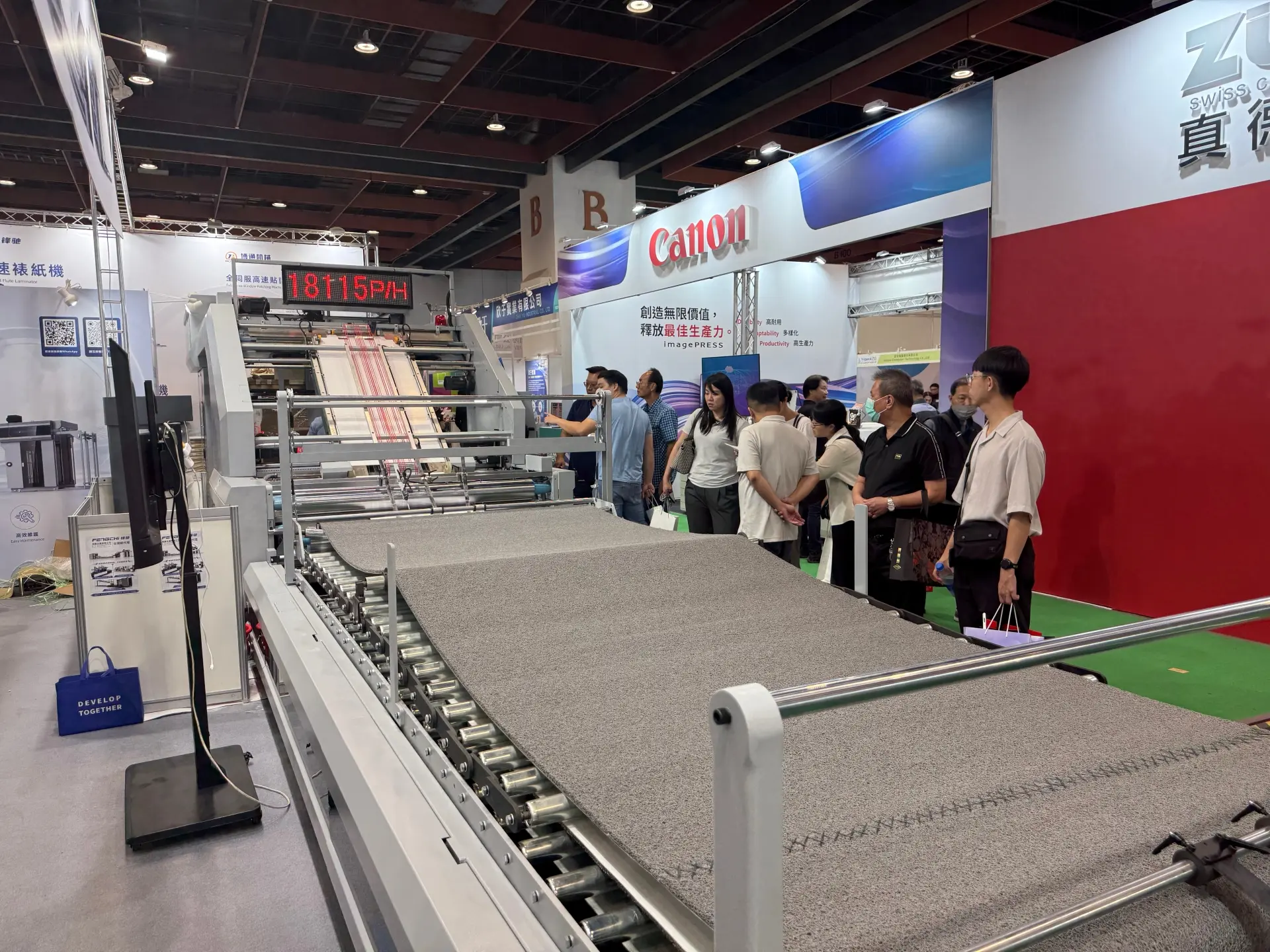
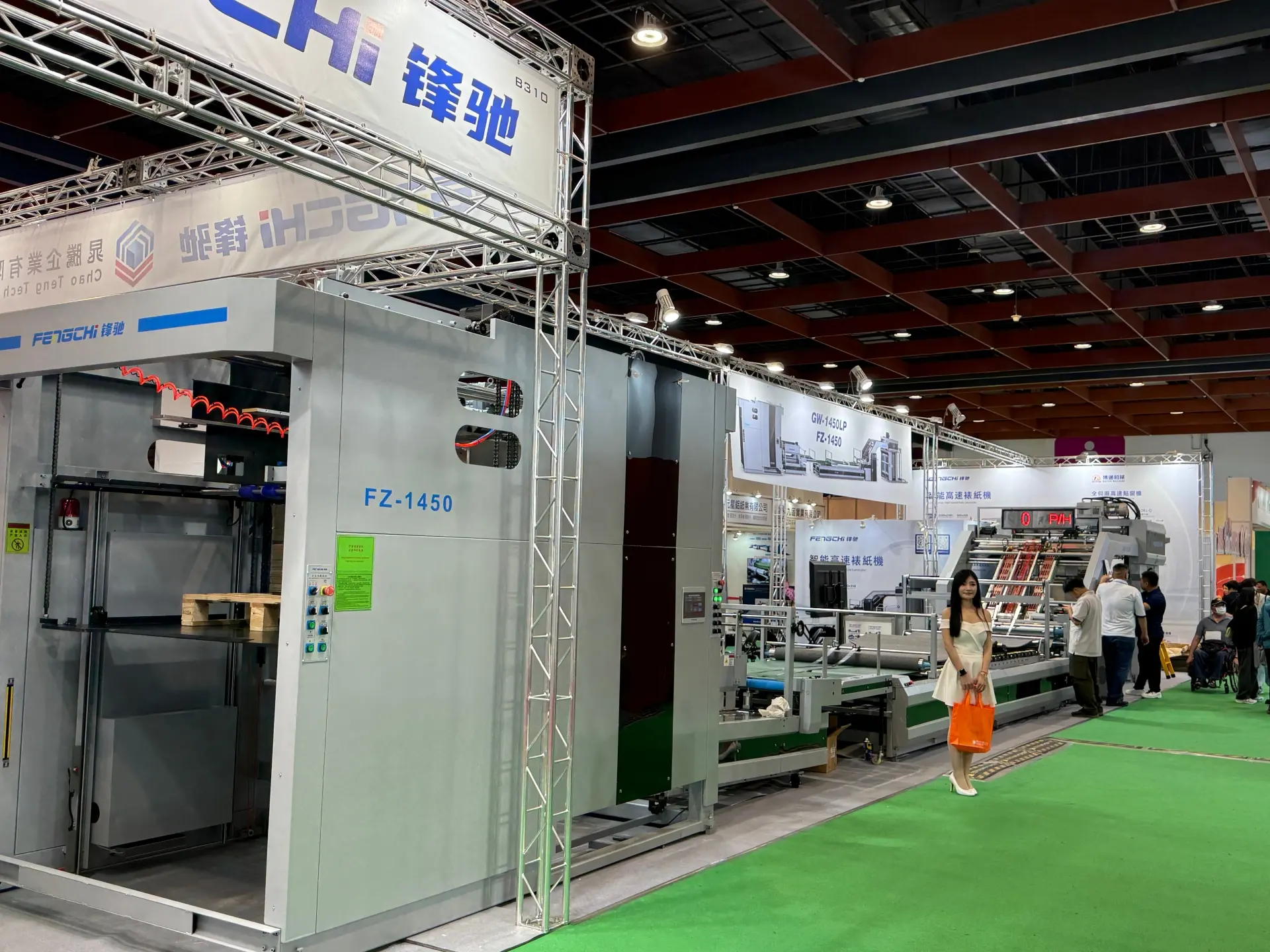
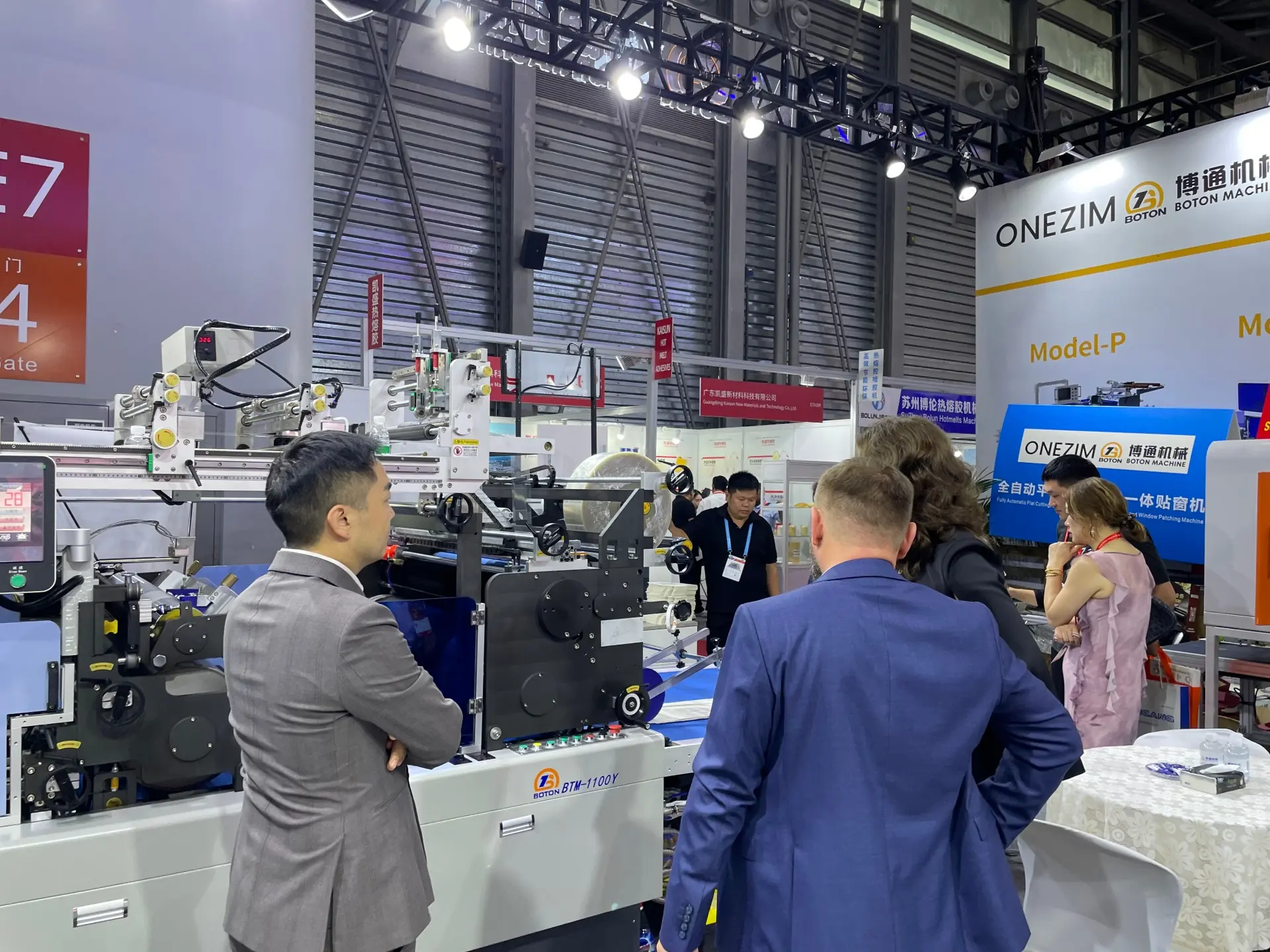
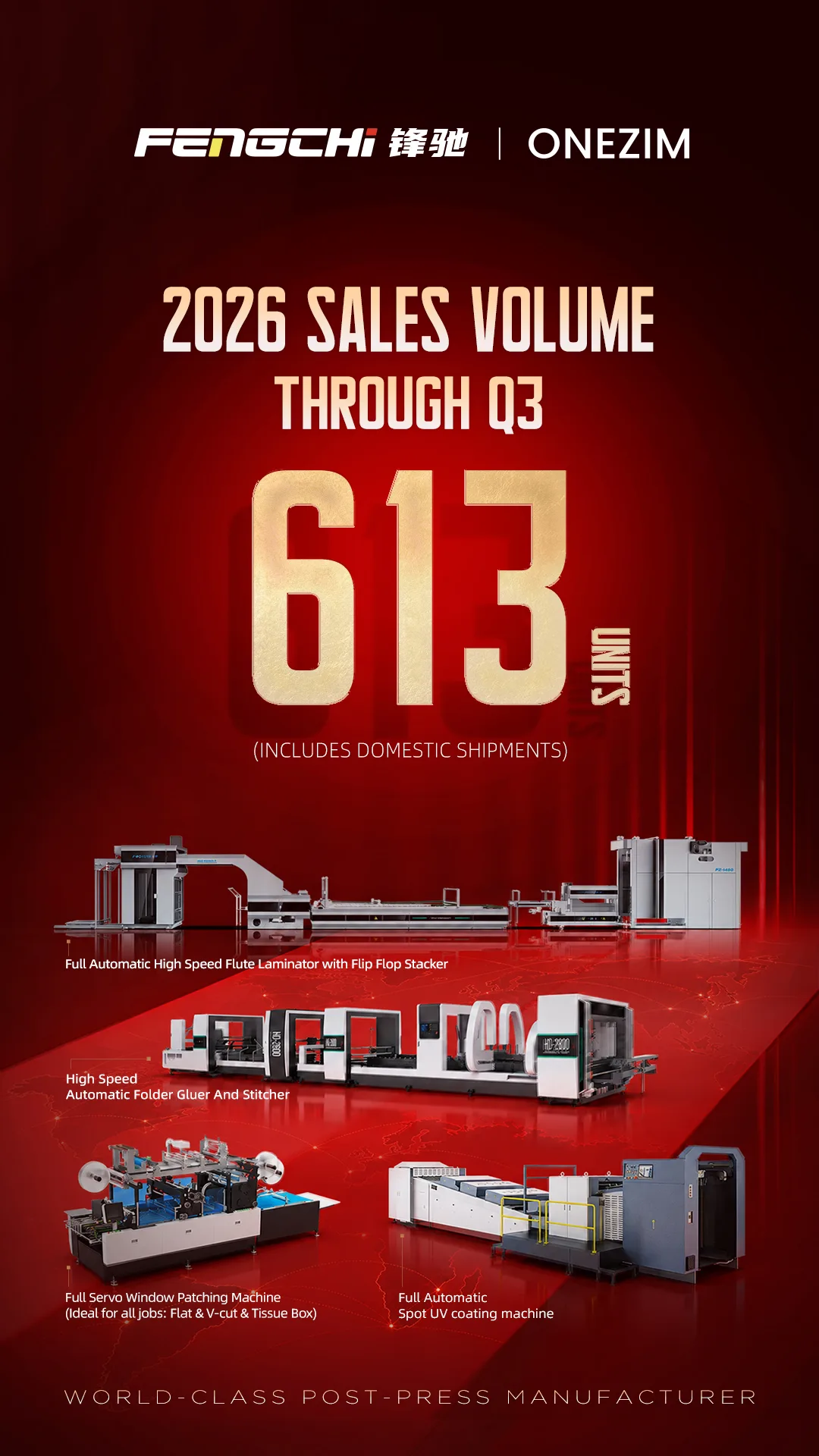
For a corrugated converter, investing in a new flute laminator is more than a machine-selection decision. The right equipment must match sheet formats, achieve consistent registration accuracy, support fast job changes, integrate with existing production lines, and deliver reliable technical support after installation.
A machine may look attractive on paper, but its real value depends on how effectively it performs in the factory. Commissioning time, operator training, spare-parts availability, and after-sales response can all influence the final purchasing decision and long-term return on investment.
Whether you are replacing an existing laminating machine or expanding production capacity, here are six critical factors to evaluate before choosing an automatic flute laminator.
Start with Sheet Formats, Not Rated Speed
A common mistake is to lead the comparison with “sheets per hour” and treat sheet format as an afterthought. The reverse is usually more profitable.
A flute laminator’s maximum and minimum sheet sizes define the machine’s real envelope, not just its capacity ceiling. Check three dimensions against your live order mix:
- Maximum sheet size — will it take your largest die-cut blank and your widest litho sheet with enough margin for trim?
- Minimum sheet size — if your mix includes small retail packaging or e-commerce mailers, a machine whose minimum size is too large forces you to run that work elsewhere.
- Board thickness and paper-weight range — confirm the feeder and gluing unit handle the full span from thin E-flute board up to heavy double-wall, and the paper stock you actually buy.
A corrugated flute laminator that matches your format envelope lets you consolidate work onto one line. One that doesn’t quietly forces a second, smaller machine — and a second operator — back into the budget.
Registration Accuracy Is the Hidden Quality Cost
Registration accuracy on a sheet-to-sheet laminator determines how cleanly the printed sheet sits on the corrugated board — and therefore how much scrap and rework you absorb downstream.
For printed, brand-sensitive work, a few millimetres of drift is the difference between a sellable carton and a rejected pallet. When you evaluate a machine, ask for accuracy expressed as a plus-minus tolerance at production speed, not a best-case number from a slow demo run. Then verify it on your stock, because paper curl, static and board moisture all move the number in the real world.
For high-end litho-laminated packaging, tighter registration also means you can reduce the bleed allowance on your print files, which lowers paper cost across every job.
Job-Change Time Compounds Across Every Shift
Speed wins single jobs; fast job changes win the month.
If a flute laminator takes 20 minutes to change over versus 10, and your plant runs 15 short jobs a day, that gap is 2.5 hours of lost production daily — before you factor in labour. Look at:
- How sheet-size changes are set (feeder, side guides, delivery).
- Whether register and glue settings are manual or stored per job.
- How quickly the operator can clear and restart after a misfeed or jam.
The best modern machines reduce job-change time to a matter of minutes with servo-driven positioning and stored job memory. That difference often recovers its own cost within the first year.
Line Balance: A Fast Laminator Is Only as Fast as Its Feeder and Delivery
A flute laminator does not run in isolation — it sits inside a converting line fed by a die-cutter or printer and followed by pressing, strapping and palletising.
Evaluate the machine as part of that sequence. A laminator rated at 6,000 sheets per hour but paired with a die-cutter that delivers 4,000 will never exceed 4,000. The question is not “how fast is the laminator?” but “how fast is the whole line, and where is the bottleneck?”
Buying for line balance means right-sizing the feeder, the gluing system and the delivery to the throughput of the machines on either side — and leaving headroom for the next upgrade, rather than paying for speed you cannot use today.
Commissioning Decides How Fast You Reach Full Output
The gap between “installed” and “producing at rated speed” is where capital projects quietly lose weeks of margin.
Confirm exactly what the manufacturer’s commissioning package includes: installation supervision, mechanical and electrical alignment, operator training, and a documented acceptance test at rated speed. Ask whether training is delivered by the engineering team or the sales team, and whether it is repeated for a second shift.
A manufacturer that treats commissioning as an engineering milestone — with a signed acceptance protocol and clear tolerances — protects your ramp-up far more than a machine that is simply “switched on and left.”
Spare-Parts Response Is Part of the Machine Spec
Every machine eventually needs a part. The question is whether that part arrives in days or in months — and whether the supplier’s response costs you a season of orders.
Before signing, ask for:
- A documented spare-parts list with pricing and lead times for the high-wear items (feeder belts, suction cups, glue rollers, sensors, drives).
- Whether critical parts are stocked regionally or shipped from the factory.
- A named service contact and a stated response-time commitment for remote diagnosis.
A rapid spare-parts response is a spec you can price. It is also the single best predictor of long-term uptime — and of how the manufacturer will treat you once the invoice is paid.
Conclusion: Choose a Flute Laminator for Total Production Performance
Selecting a flute laminator is a long-term investment in production capacity, product quality, and operational reliability. Sheet-format compatibility, registration accuracy, job-change efficiency, line integration, commissioning, and spare-parts response all contribute to the success of the project.
For corrugated converters, the best machine is not necessarily the one with the highest advertised speed or lowest purchase price. It is the one that meets the factory’s actual production requirements and can be supported throughout its working life.
Looking for a flute laminator for your corrugated packaging plant?
FENGCHI designs and manufactures flute laminators, flip-flop stackers, and laminating solutions for corrugated packaging production. Share your sheet formats, material specifications, required production capacity, and existing line configuration with our sales engineers to discuss a suitable machine configuration and project requirements.
Contact FENGCHI to discuss your flute laminating project.
Frequently Asked Questions
What should I consider when buying an automatic flute laminator?
Start with sheet-format compatibility, registration accuracy, actual production speed, job-change time, line integration, commissioning, and after-sales support. Evaluate these factors against your factory’s specific production requirements.
Why is registration accuracy important in flute lamination?
Registration accuracy determines how precisely the printed face sheet aligns with the corrugated board. Consistent alignment helps maintain finished-package appearance, reduce misaligned sheets, and minimize downstream quality issues.
Is maximum flute laminator speed the most important specification?
No. Maximum rated speed is only one performance indicator. Actual output also depends on feeding stability, registration quality, material characteristics, job-change time, and production interruptions.
How can I reduce downtime after installing a flute laminator?
Plan commissioning and operator training in advance, establish preventive maintenance procedures, identify critical spare parts, and confirm the supplier’s technical support and parts-dispatch arrangements before purchasing.
What information should I provide when requesting a flute laminator quotation?
Provide sheet dimensions, board and face-paper specifications, target production output, registration requirements, job-change frequency, existing line configuration, installation location, and expected commissioning schedule. These details help the manufacturer recommend a suitable solution.