As consumer expectations for premium packaging continue to grow, brands are increasingly turning to packaging with transparent windows that showcase the product inside. Whether it’s food, cosmetics, toys, electronics, or gift boxes, window packaging helps increase shelf appeal while building customer confidence.
Behind every high-quality window carton is a specialized piece of equipment known as a window patcher or window patching machine.
This comprehensive guide explains everything packaging manufacturers need to know—from what a window patcher is and how it works to machine types, industry applications, buying considerations, and pricing factors.
What Is a Window Patcher?
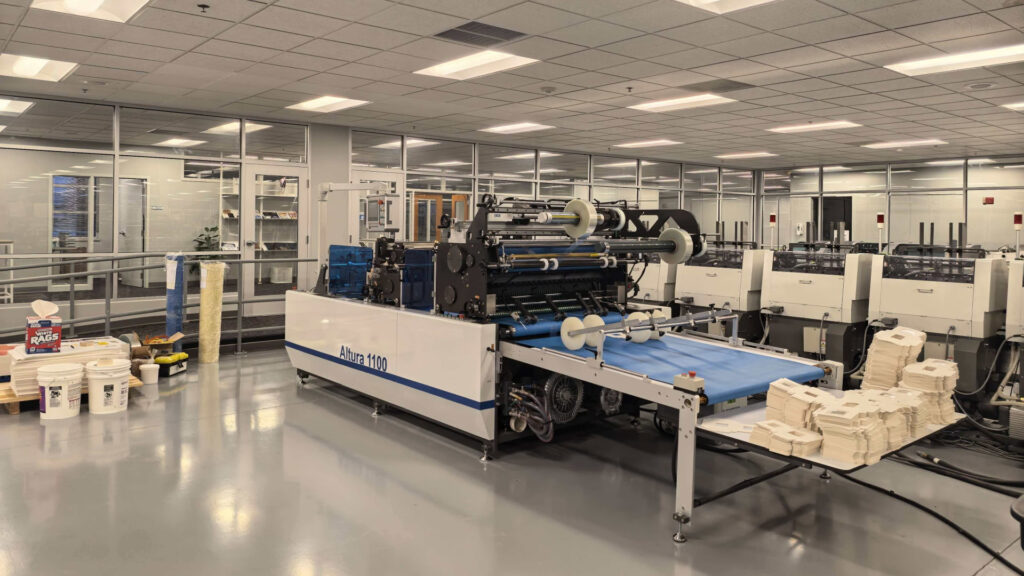
A window patcher is an automated converting machine designed to apply transparent plastic film onto die-cut openings in paperboard or corrugated cartons. The film creates a clear viewing window while protecting the contents from dust, moisture, and contamination.
The film is typically made from:
- PET film
- PVC film
- BOPP film
- PLA biodegradable film
Modern automatic window patching machines precisely position, cut, apply adhesive, and laminate the transparent film at high production speeds, ensuring consistent quality with minimal manual intervention.
Window patching has become a standard production process for many premium packaging products because it combines attractive presentation with functional protection.
How Does a Window Patching Machine Work?
Although machine designs differ slightly by manufacturer, the core process of a modern window patching machine follows a logical sequence of six stages.
Stage 1 — Sheet Feeding
Pre-printed, die-cut blanks are loaded into the feed section. A friction or suction feeder separates blanks one by one and delivers them to the conveyor at a consistent speed.
Stage 2 — Position Detection
Optical sensors detect the carton’s registration marks or die-cut window position.
High-end machines continuously adjust positioning to ensure the transparent film aligns perfectly with the opening.
Stage 3 — Glue Application
The machine applies adhesive only where required around the window opening.
Depending on production requirements, it may use:
- Pattern gluing
- Full-frame gluing
- Corner gluing
- Multi-window gluing
Precise glue control minimizes waste while ensuring strong film adhesion.
Stage 4 — Film Feeding and Cutting
A roll of transparent film is unwound, accurately cut to size, and synchronized with the carton position.
Advanced servo systems maintain consistent film tension for smooth operation.
Stage 5 — Film Patching
The cut film is pressed onto the glued area using precision rollers.
Proper pressure ensures:
- Bubble-free appearance
- Strong adhesion
- Smooth surface finish
- Accurate positioning
Stage 6 — Delivery and Collection
Finished blanks exit onto an outfeed conveyor or stacking unit. On high-speed machines, servo-driven delivery ensures the stack stays neat for the downstream folder-gluer or direct dispatch to the customer.
Types of Window Patchers
Different packaging applications require different machine configurations.
Semi-Automatic Window Patcher
Ideal for:
- Small production runs
- Prototype packaging
- Limited production budgets
Advantages:
- Lower investment
- Flexible operation
- Easy maintenance
Limitations:
- Lower productivity
- Higher labor requirements
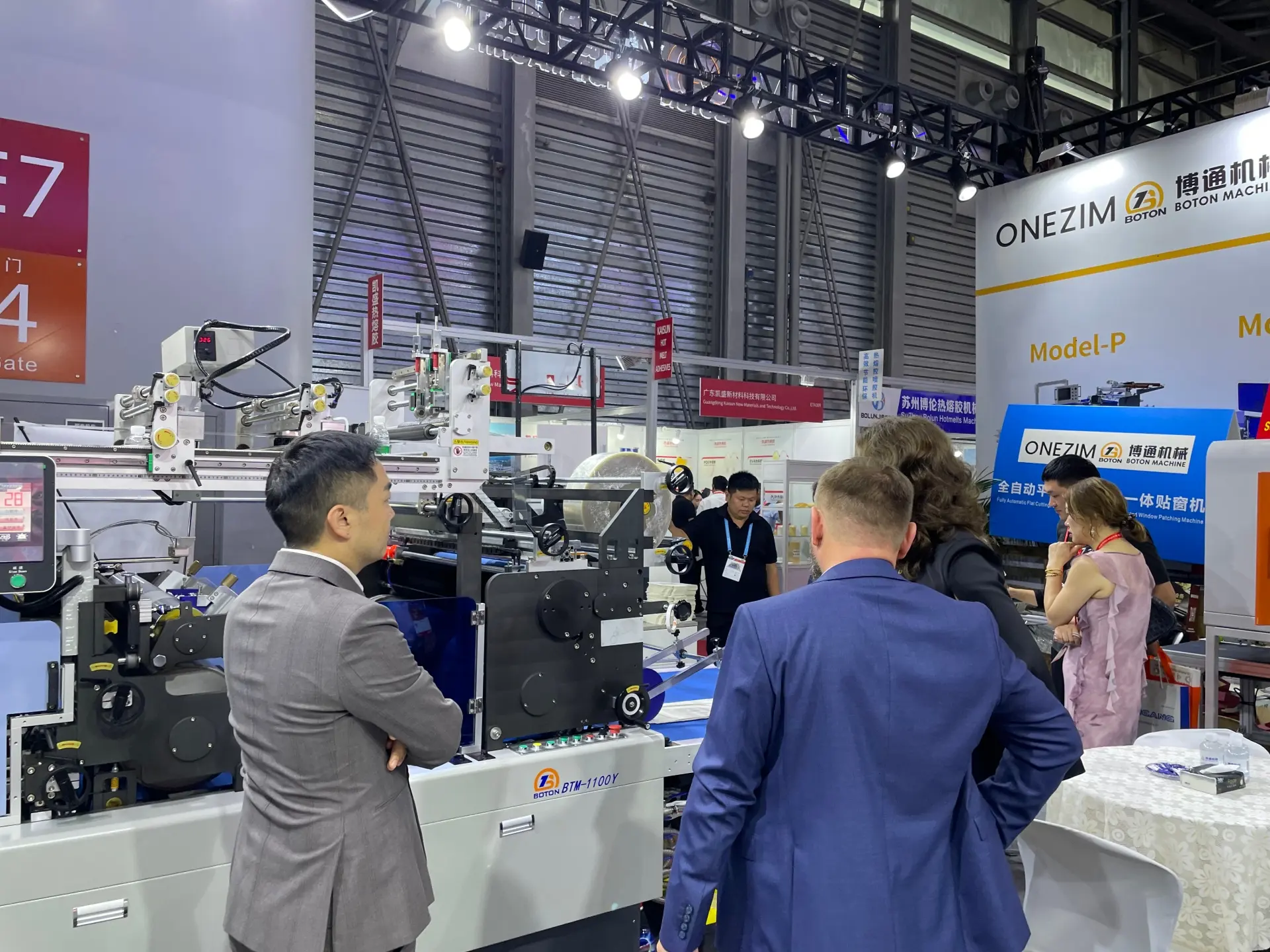
Fully Automatic Window Patching Machine
The most common choice for commercial packaging manufacturers.
Features include:
- Automatic feeding
- Servo positioning
- High-speed production
- Automatic film feeding
- Automatic collection
Ideal for:
- Folding carton factories
- Commercial printers
- Packaging converters
High-Speed Window Patcher
Designed for large-volume production.
Typical features include:
- High sheet-per-hour output
- Multi-servo synchronization
- Continuous production
- Low downtime
- Superior registration accuracy
Perfect for manufacturers serving international packaging brands.
Corner Window Patcher
Designed for cartons requiring windows on folded corners.
Commonly used for:
- Cake boxes
- Bakery packaging
- Food containers
- Takeaway boxes
Multi-Window Patching Machine
Capable of applying multiple transparent windows on a single carton.
Frequently used in:
- Toy packaging
- Electronics
- Luxury gift boxes
- Retail display packaging
Applications Across Industries
Window patching technology is widely used across numerous packaging sectors.
Food Packaging
One of the largest markets.
Common products include:
- Fruit packaging
- Bakery boxes
- Chocolate boxes
- Cookie cartons
- Pasta packaging
- Fresh produce cartons
Transparent windows allow consumers to inspect product quality before purchase.
Cosmetic Packaging
Premium cosmetic brands often use window cartons to display:
- Perfume bottles
- Skincare products
- Makeup kits
- Beauty gift sets
The transparent film enhances shelf presentation while protecting the product.
Toy Packaging
Retail toy boxes frequently include windows that showcase the actual product.
Benefits include:
- Improved customer confidence
- Reduced package opening
- Better retail display
Electronics Packaging
Window cartons are used for:
- Headphones
- Chargers
- Computer accessories
- Smart devices
Customers can verify product appearance before purchase.
Gift Packaging
Luxury gift boxes benefit from elegant transparent windows that enhance perceived value while protecting the contents.
Pharmaceutical and Healthcare Packaging
Certain healthcare products use window patching for:
- Medical devices
- Diagnostic kits
- Personal care products
The transparent film enables quick visual inspection without opening the package.
How to Choose the Right Window Patching Machine
Selecting the right equipment depends on production requirements rather than simply choosing the fastest or least expensive model.
Production Volume
Estimate your daily output.
High-volume manufacturers benefit from fully automatic, high-speed machines, while smaller converters may prefer more economical solutions.
Carton Size Range
Confirm the machine accommodates your largest and smallest sheet sizes.
Greater flexibility reduces the need for multiple machines.
Window Shapes
Some products require:
- Square windows
- Round windows
- Oval windows
- Irregular shapes
- Multiple windows
Choose equipment capable of handling your typical designs.
Registration Accuracy
Accurate film positioning is essential for premium packaging.
Servo-controlled registration systems significantly improve consistency and reduce waste.
Film Compatibility
Verify support for the materials you intend to use, including PET, BOPP, biodegradable PLA, or other specialty films.
Automation Level
Modern machines may include:
- Automatic feeding
- Servo adjustment
- Automatic lubrication
- Remote diagnostics
- Touchscreen controls
- Recipe storage for repeat jobs
Higher automation improves productivity while reducing operator dependency.
Service and Technical Support
Consider the manufacturer’s:
- Installation services
- Operator training
- Spare parts availability
- Technical support
- Response time
- Global service network
Reliable after-sales support minimizes production downtime over the machine’s lifetime.
What Factors Affect the Price of a Window Patching Machine?
Window patching machine prices vary widely depending on specifications and customization. The total investment is influenced by several key factors:
Machine Speed
Higher-output machines with faster production capacities generally cost more due to advanced servo systems and robust mechanical construction.
Automation Features
Machines equipped with automatic feeding, intelligent registration, touchscreen controls, recipe storage, and remote diagnostics command higher prices but reduce labor costs over time.
Sheet Size
Larger-format machines capable of processing oversized folding cartons or corrugated sheets require larger frames and more powerful drive systems, increasing the overall cost.
Window Configuration
Equipment designed for corner windows, multi-window patching, or complex irregular shapes involves additional engineering and tooling, which affects pricing.
Material Compatibility
Machines that can process multiple film types, thicker substrates, or specialty packaging materials often include enhanced feeding and tension-control systems.
Customization Requirements
Packaging manufacturers may request custom features such as barcode inspection, automatic waste removal, integration with folder gluers, or specialized feeding systems. These options increase the initial investment but improve production efficiency.
Brand and After-Sales Support
Established manufacturers typically offer comprehensive installation, operator training, spare parts availability, and technical support. While these machines may carry a higher purchase price, they often deliver lower lifetime operating costs through improved reliability and reduced downtime.
Why Packaging Manufacturers Are Investing in Automatic Window Patchers
As packaging quality standards continue to rise, manufacturers are under pressure to produce attractive cartons faster, more accurately, and with lower operating costs.
Modern automatic window patching machines provide several advantages:
- Higher production efficiency
- Consistent patching accuracy
- Reduced labor requirements
- Lower material waste
- Improved product presentation
- Greater flexibility for diverse packaging designs
- Faster return on investment through increased throughput
These benefits make window patching technology a valuable addition for converters serving industries where product visibility and premium presentation influence purchasing decisions.
Conclusion
A window patcher is far more than a machine that applies transparent film—it is an essential component of modern packaging production. By combining precision automation with high-speed performance, window patching machines enable manufacturers to produce visually appealing, protective, and retail-ready cartons across a wide range of industries.
Whether you manufacture food cartons, cosmetic packaging, toy boxes, pharmaceutical cartons, or luxury gift packaging, selecting the right window patching machine requires careful consideration of production volume, sheet size, registration accuracy, automation level, material compatibility, and long-term support.
Investing in the right equipment can improve productivity, reduce waste, enhance packaging quality, and strengthen your competitive position in today’s demanding packaging market.
Learn what a window patcher is, how window patching machines work, their types, applications, pricing factors, and how to choose the right machine for your packaging business.