Overview: on-site visit and key outcomes
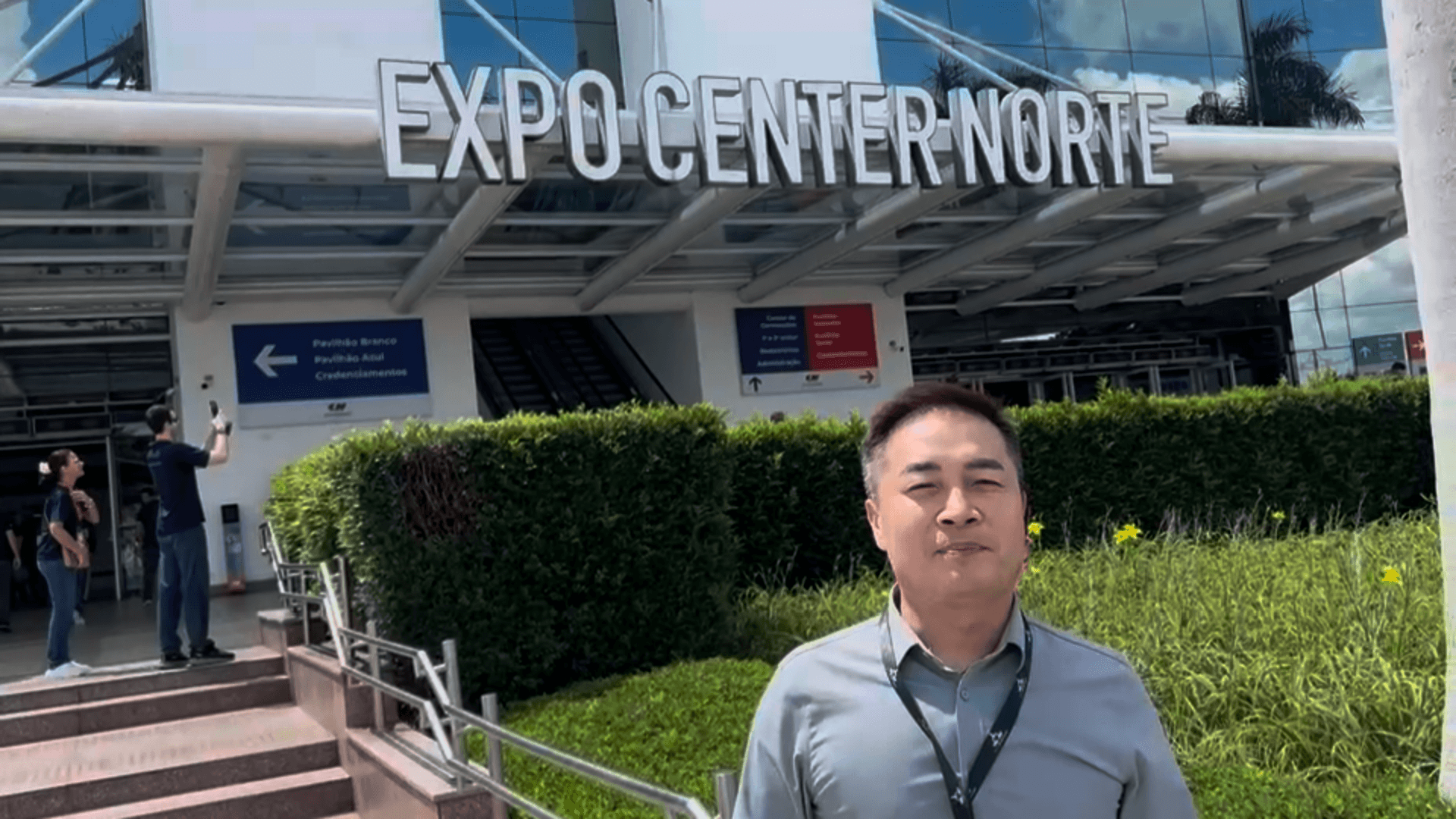
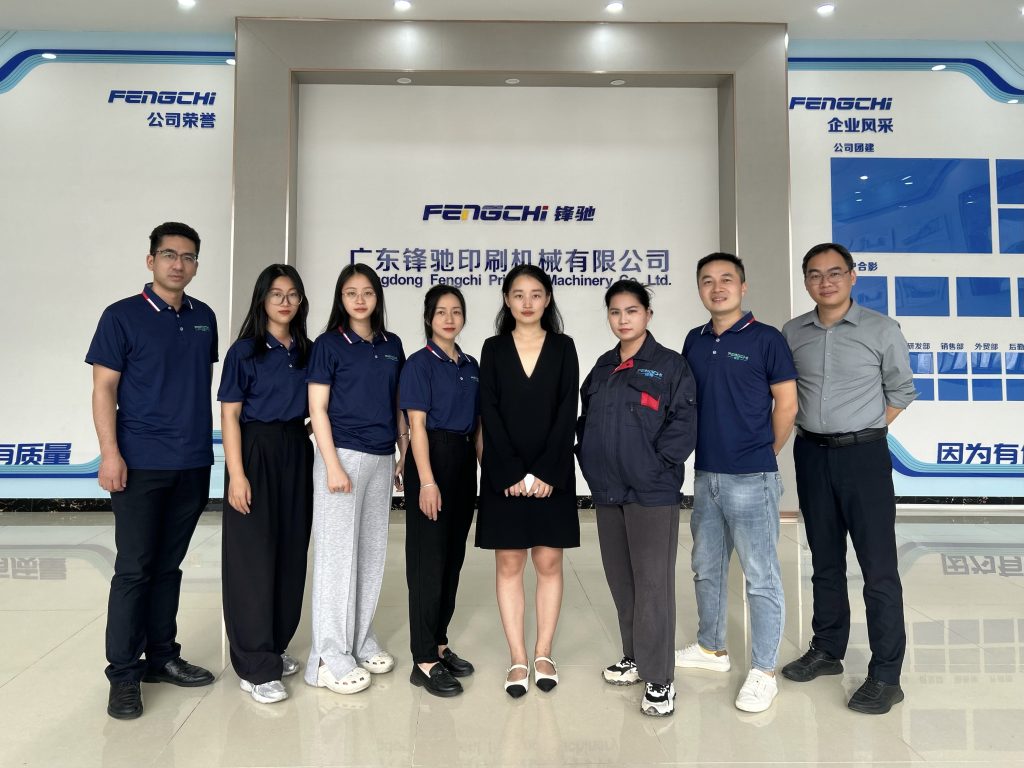
Last month, the Fengchi team conducted a strategic follow-up visit to a major client’s facility in Liuyang City( the world-renowned fireworks capital ), Hunan Province. This visit underscores our commitment to building lasting partnerships and driving innovation through direct collaboration with leading manufacturers.
The factory covers an area of 100,000 square meters and employs over 300 staff members, making it one of China’s most robust paper packaging production bases. The enterprise operates 18 fully automated paper cup production lines and a complete set of processing equipment (including printing presses, flute laminators, cutters, slotters, folder gluers, binding machines). Its product portfolio encompasses a full range of packaging solutions, including paper cups, food containers, color-printed boxes, cartons, and corrugated cardboard.
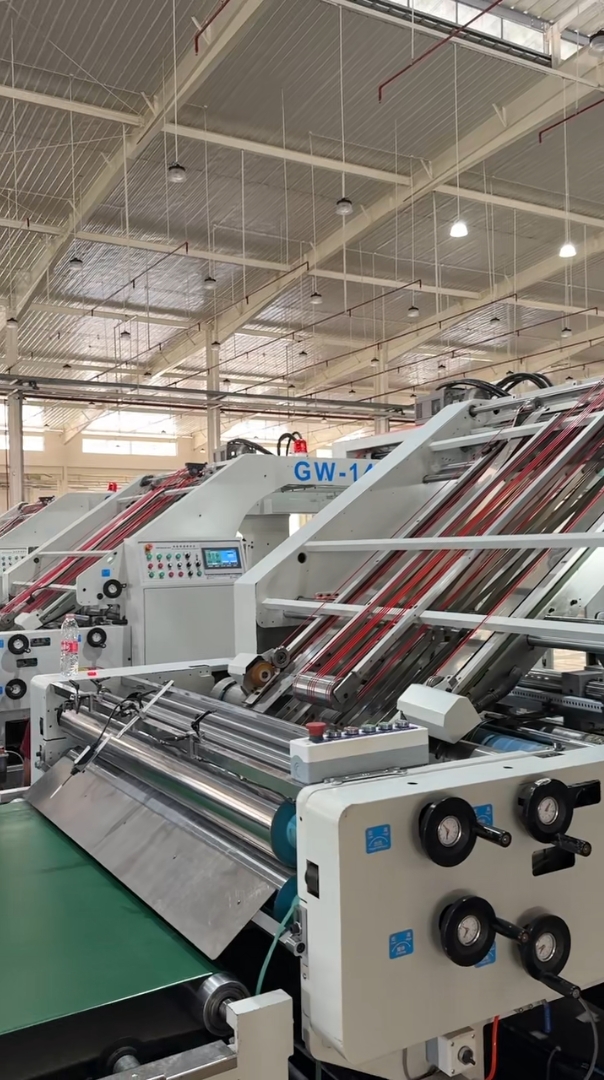
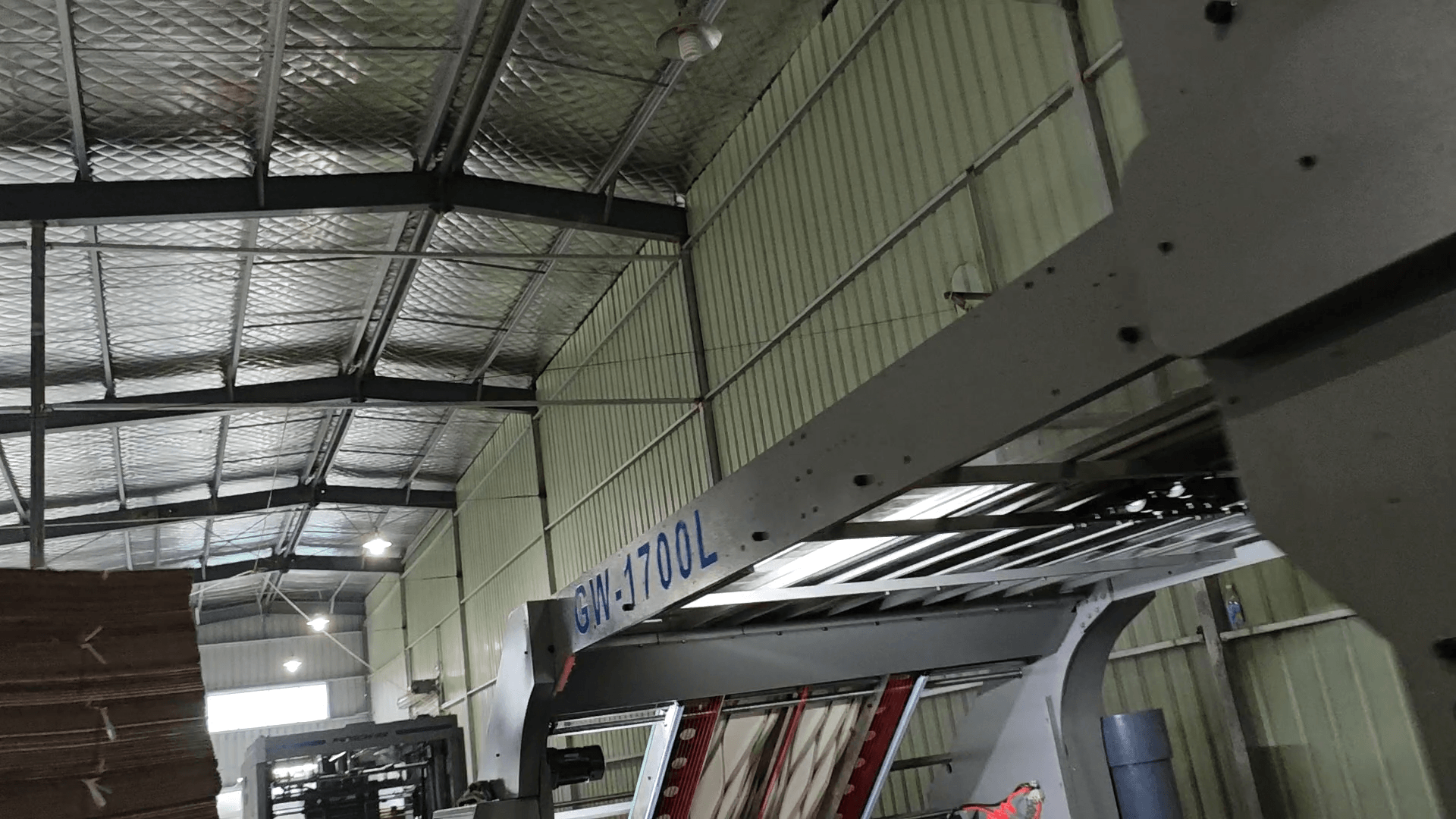
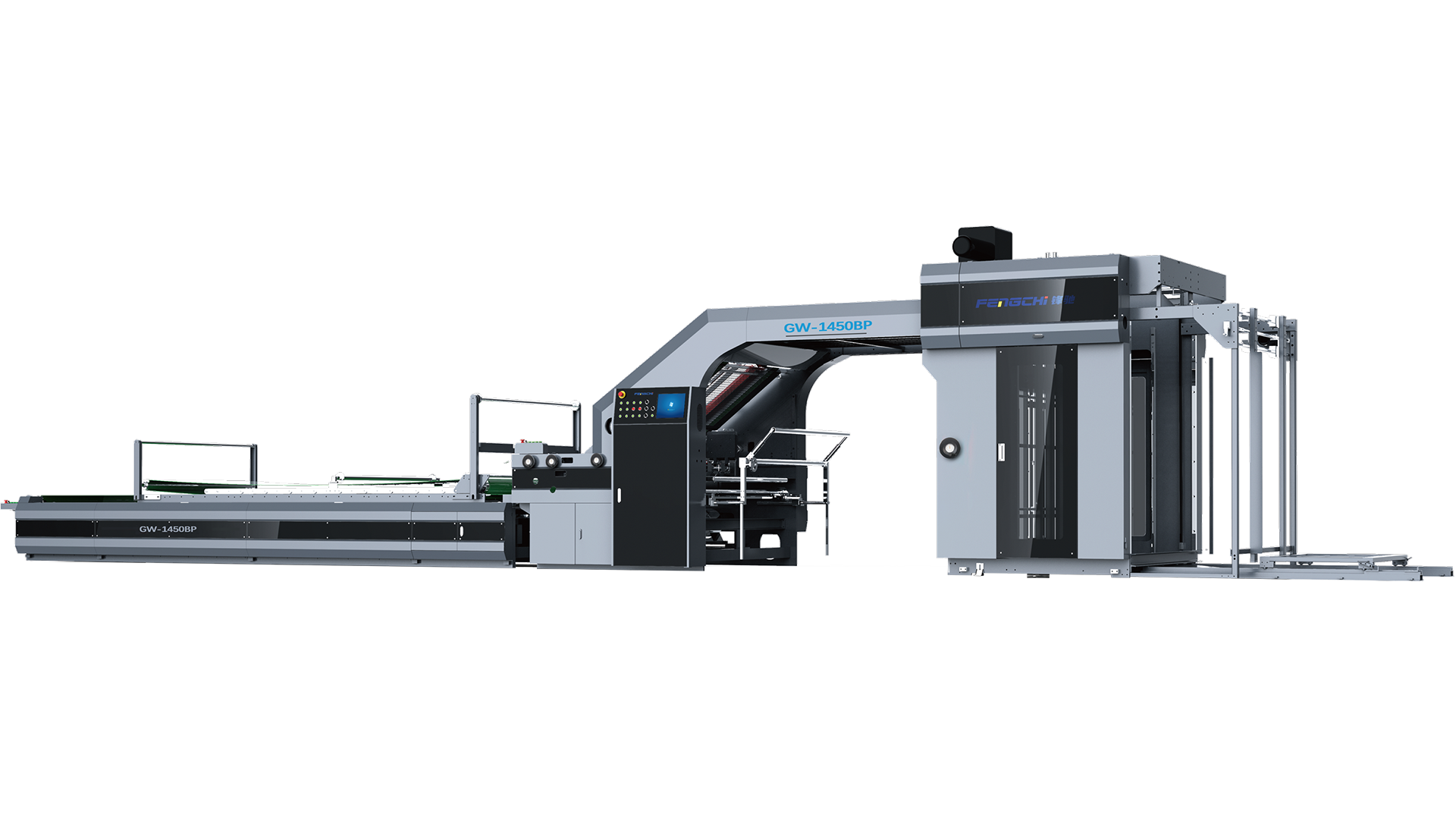
A few years ago, the After-Sales Team at Fengchi installed several high-speed flute laminators (featuring flip-flop stacker solutions) to enhance litho-laminated product throughput and product consistency. The follow-up visit focused on real-world machine usage, troubleshooting, and gathering user feedback to inform iterative R&D improvements.
Why Fengchi flute laminators matter for modern converters
High-speed flute laminators are critical for converters who need to:
- Increase throughput on litho-laminated and corrugated products without sacrificing quality.
- Maintain consistent lamination across long production runs to reduce rejects.
- Integrate easily into existing post-press lines (stackers, cutters, folder gluers).
- Support food-grade production when paired with certified manufacturing environments.
At the Liuyang plant, the flute laminating lines with flip-flop stackers delivered better uptime and quicker stack handling — freeing operators to attend to downstream processes.
Factory strength & quality assurance
This Liuyang facility’s size and vertical capability set it apart:
- Over 100,000 m² site with 300+ staff.
- 18 fully automatic paper cup lines plus multiple converting machines.
- Production ranges from food packaging to corrugated board.
- Certified systems: FSC, BSCI, and ISO 9001, and operated in food-grade environments — giving customers confidence in material safety and quality.
These credentials make the plant an ideal partner for global brands and a perfect use-case for Fengchi’s automated solutions.
Fengchi & ONEZIM: post-press portfolio highlights
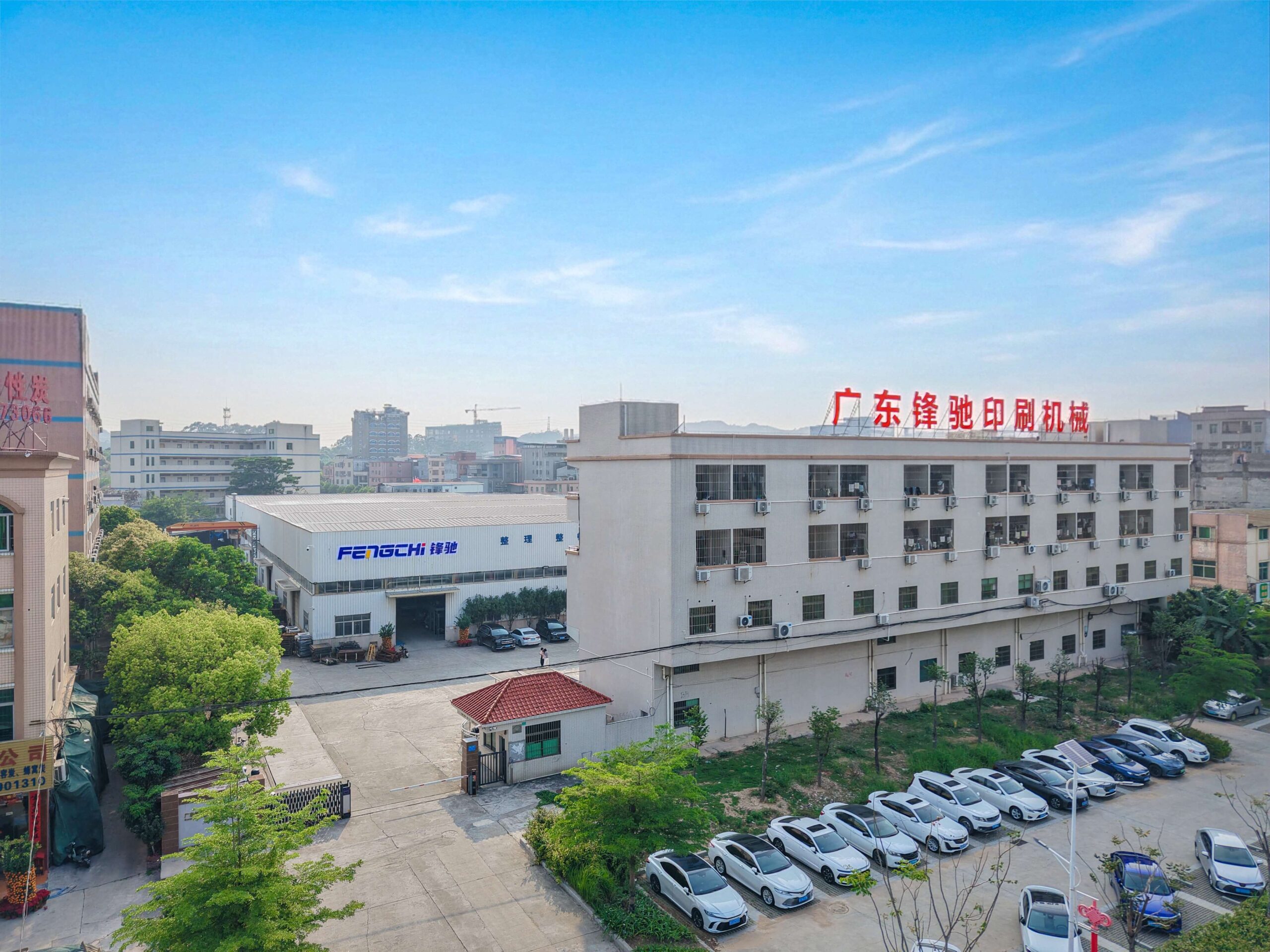
Fengchi Printing Machinery and sub-brand ONEZIM provide a broad portfolio of standard and customizable post-press equipment:
- Fully automatic flute laminators
- Flip flop stackers
- Double-piece and single-piece folding gluing machines
- Folder gluer stitchers
- Spot UV coating machines
- Window patchers
These solutions are designed to boost automation, reduce labor dependence, and improve finish quality for litho-laminate, carton and corrugated applications.
Partner with us: global agent opportunity
Fengchi is expanding its agent network worldwide. Ideal partners will have:
- Strong background in the printing and packaging industry
- Experience selling industrial converting or post-press equipment
- Local market knowledge and technical/sales capabilities
Partner benefits include product training, after-sales support from Fengchi sales engineers, and opportunities to expand local manufacturers’ access to automated post-press technology — increasing both capabilities and revenue streams.
Interested? Contact Fengchi’s sales engineers to learn about agent support policies and next steps.
About Fengchi Printing Machinery:
Fengchi is a leading designer and manufacturer of post-press equipment for the global printing and packaging industry. Through continuous innovation and direct customer collaboration, we provide efficient, reliable solutions that help manufacturers increase productivity, ensure quality, and achieve their business goals.
Last month the Fengchi team visited a major paper packaging facility in Liuyang City, Hunan Province. The follow-up visit focused on real-world machine usage, troubleshooting, and gathering user feedback to inform iterative R&D improvements.